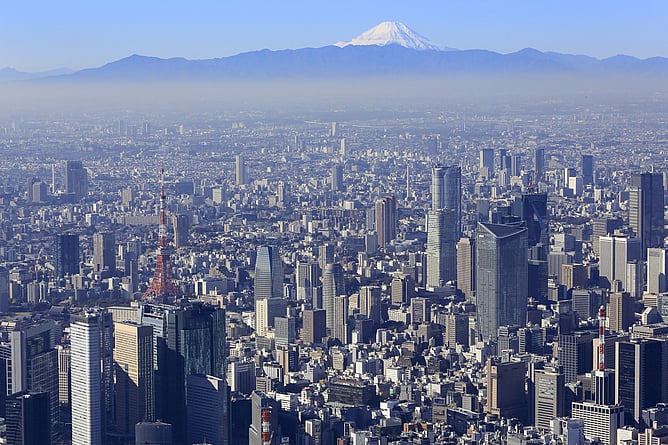
Tokyo is a huge city, with neighbourhoods that can feel completely different from one another. Some are full of bright lights, shopping and nightlife, while others offer traditional streets, peaceful gardens or a more local atmosphere.
So, where should you stay?
There’s no single right answer. It depends on what you enjoy, what you want to see and how you like to travel. And remember, Tokyo has an excellent public transport network, so you don’t have to stay in the same area as every attraction you want to visit.
Here’s a look at six parts of Tokyo to help you decide which might suit you best.
Central Tokyo: Tokyo Station, Marunouchi, Ginza and Tsukiji
Central Tokyo combines excellent transport connections, shopping, dining and some well-known city sights.
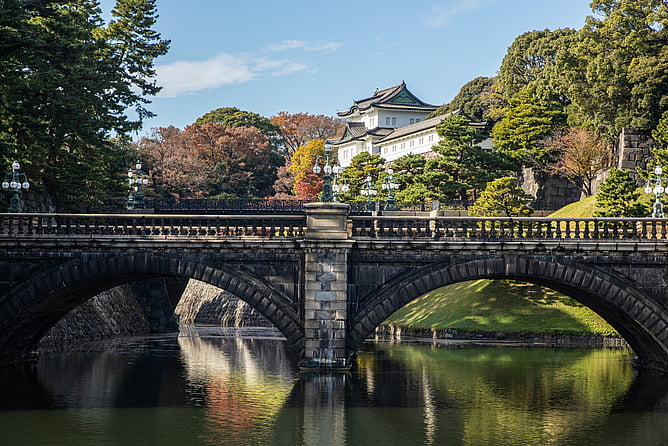
Tokyo Station and Marunouchi are particularly practical if you’re travelling onwards by Shinkansen. The historic station building, underground shopping and restaurants, and nearby Imperial Palace gardens offer plenty to see.
Ginza has an upmarket feel, with designer shops, department stores, fine dining and impressive architecture. It may appeal if you enjoy shopping and restaurants in a more sophisticated setting.
Tsukiji is famous for its food market, where you can sample Japanese specialities and browse shops selling kitchenware and other goods. It’s particularly lively in the morning and is an excellent place to visit, whether or not you choose to stay nearby.
Central Tokyo is worth considering if convenience is a priority, particularly when your wider Japan itinerary involves travelling between cities.
Northern Tokyo: Ueno, Yanaka, Nezu and Akihabara
Northern Tokyo offers a mix of parks, museums, traditional neighbourhoods and pop culture.
Ueno is worth a look if you enjoy museums, green spaces and lively market streets. Ueno Park is home to several major museums, while nearby Ameyoko offers a bustling mix of shops and food stalls. It also has useful transport connections, making it a strong candidate for a base.
For a quieter, more traditional atmosphere, Yanaka and Nezu have small temples, old-fashioned shopping streets and independent cafés. They offer a glimpse of a more residential side of Tokyo.
Akihabara is the place for electronics, anime, manga and gaming, so it’s especially appealing if those interests are part of your trip. Further out, Shibamata offers traditional streets and temple visits, making it a lovely area to explore if you have time.
North-eastern Tokyo: Asakusa and Ryogoku
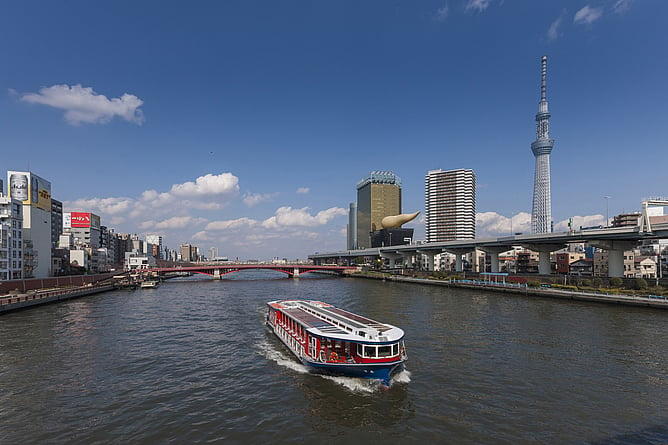
If traditional Japan is high on your wish list, Asakusa is well worth considering. Sensoji Temple, the shops along Nakamise Street and the surrounding streets offer plenty of opportunities to explore on foot, sample Japanese snacks and enjoy the area's historic atmosphere. It can be busy around the main sights, particularly during the day.
Nearby Ryogoku is famous for sumo wrestling and is also interesting for Japanese history, art and traditional crafts.
This part of Tokyo may appeal if you want a sightseeing-focused stay with a more traditional feel. You can also easily travel elsewhere in the city when you fancy a change of scene.
Western Tokyo: Shinjuku, Shibuya, Harajuku and more
This is the side of Tokyo many people picture first: busy streets, fashion, shopping, restaurants and nightlife.
Shinjuku is a major transport hub, with department stores, skyscrapers, entertainment and countless places to eat. It’s a convenient base for exploring, although the enormous station can feel overwhelming at busy times.
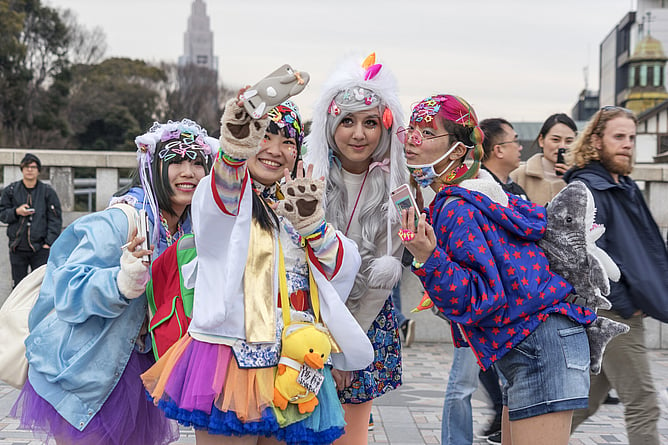
Shibuya is known for its famous crossing, contemporary fashion and youthful energy. From here, it’s easy to explore nearby Harajuku, with its colourful street culture, as well as the stylish boutiques and architecture of Omotesando and Aoyama.
For something more laid-back, Shimokitazawa has vintage shops, independent cafés, record stores and a creative, local atmosphere.
These neighbourhoods are well worth exploring, but they aren't all interchangeable. Think about whether you want the convenience and buzz of a major transport hub, the energy of contemporary Tokyo or a more relaxed neighbourhood setting.
Southern Tokyo: Roppongi, Tokyo Tower, Shinagawa and beyond
Southern Tokyo offers several distinct experiences.
Roppongi is cosmopolitan, with contemporary art museums, stylish restaurants, shopping and nightlife. The Tokyo Tower area combines one of the city's best-known landmarks with temples and green spaces, giving it a different feel from the surrounding business districts.
Shinagawa is a practical option if convenient connections to Haneda Airport or the Shinkansen are important to you. Nearby Tennozu Isle offers a quieter waterfront setting with cafés and art spaces.
Further out, Nakameguro has a more relaxed neighbourhood feel, with independent shops, cafés and riverside walks. Todoroki Valley is another interesting place to explore if you fancy a break from the urban landscape, although it’s generally better thought of as an excursion than a base.
Tokyo Bay: Odaiba and Toyosu
Tokyo Bay offers a different side of the city, with modern waterfront developments, shopping centres and indoor attractions. Odaiba is particularly popular with families, thanks to its entertainment venues, science museum and waterfront views. Toyosu is known for its seafood market, teamLab Planets digital art experience and family attractions.
These areas may suit you if you’re travelling with children or have particular attractions in mind. They feel quite different from the traditional streets and dense city centres elsewhere in Tokyo, so it’s worth checking the transport connections for your plans before choosing to stay here.
So, which part of Tokyo feels right for you?
You might already have an idea of where you’d like to stay, or perhaps one of these areas has caught your attention. Either way, think about the atmosphere you want to come back to at the end of a busy day, as well as the places you’re keen to explore.
And remember, you don't have to choose just one neighbourhood for your entire trip. If you're returning to Tokyo after travelling elsewhere in Japan, staying in a different part of the city the second time can give you a fresh experience without needing to change your plans around every day.
At Harbour City Travel, we can help you work out how the different areas fit into your wider Japan itinerary, so your accommodation choices make sense for the way you want to travel.
Photo credit: ©Tokyo Convention & Visitors Bureau